Key takeaways
- Be wary of a very low phone quote that changes once someone arrives.
- A real locksmith answers with a business name and gives a clear explanation.
- Watch for unmarked vehicles, no identification and pressure to drill a lock that could be picked.
- Pay by a traceable method and get a written receipt.
Warning signs on the phone
Scammers often answer with a generic greeting like "locksmith services" instead of a company name, quote a low service fee and avoid giving the total. They may route calls through a call center that is far away.
Ask for the business name and where the technician is coming from.
Warning signs at your door
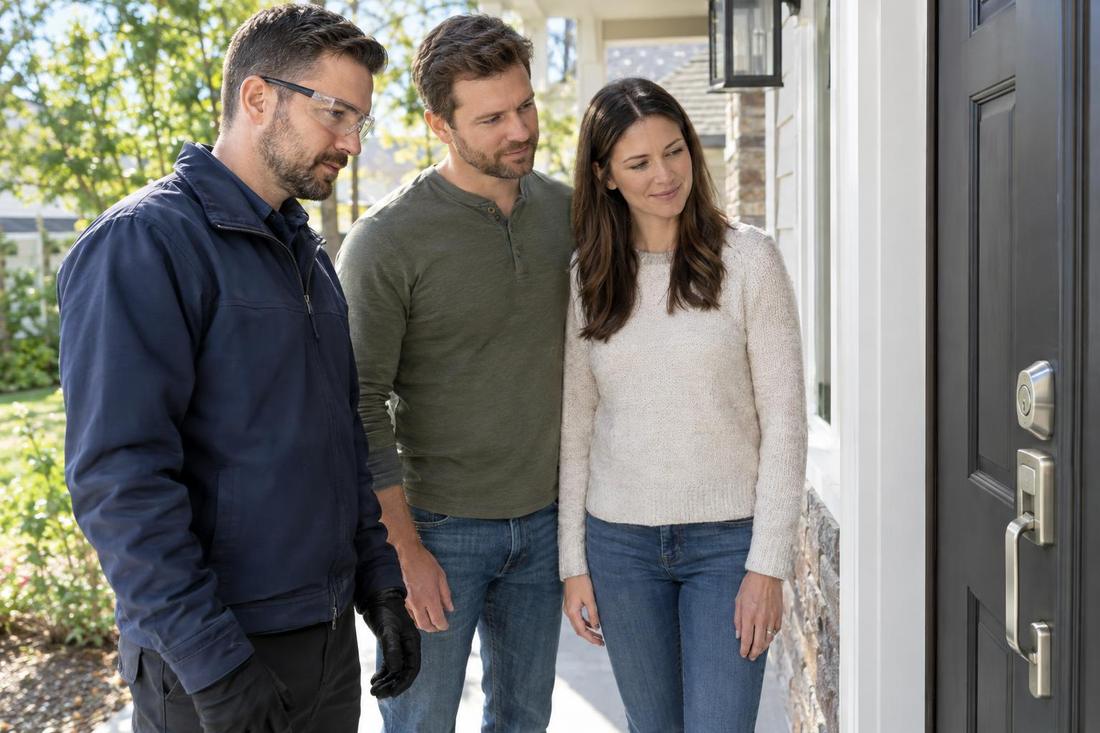
A technician with an unmarked vehicle and no identification, who insists on drilling the lock instead of trying to pick it, or who demands cash only is a red flag. The total may rise sharply once the work starts.
You may refuse the work and ask them to leave.
What a good locksmith does
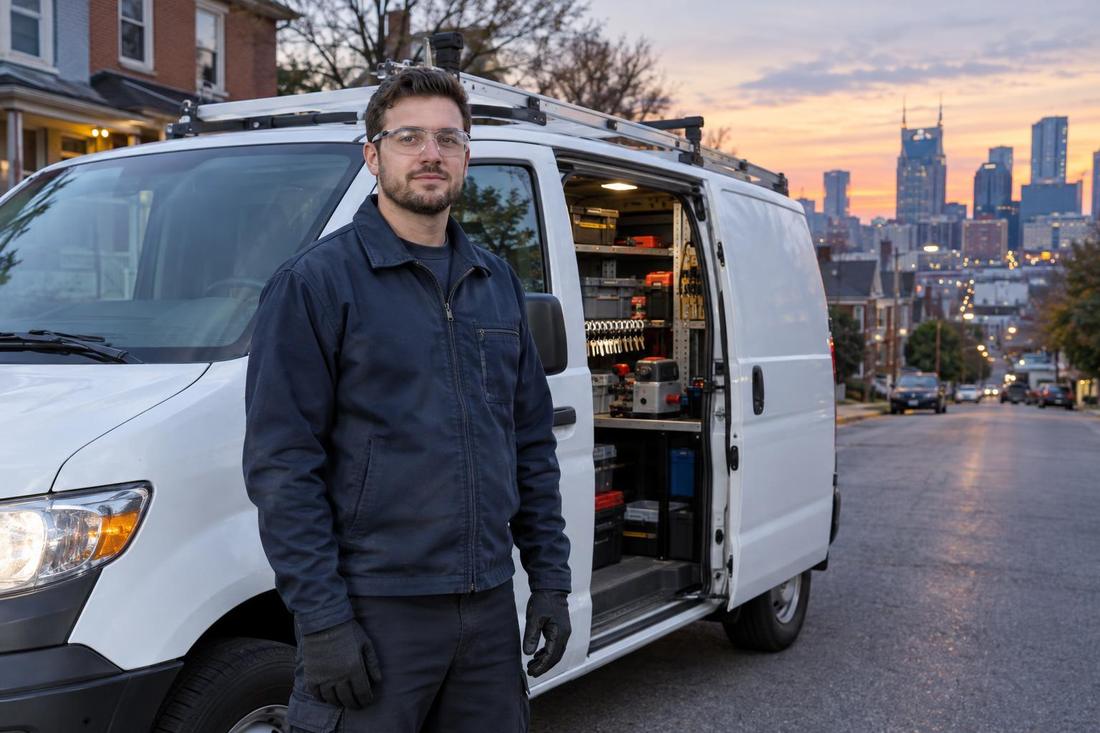
A reliable locksmith confirms the company name, gives a range, shows identification, asks for yours, tries non-destructive entry first and explains any extra charges before work begins. They give a written receipt with the company name.
Clear communication is the best sign.
What to do if it happens
If you were overcharged or pressured, keep the receipt, take notes, contact your card company and report it to the Federal Trade Commission and your state consumer protection office. Share the company name with the Better Business Bureau.
Reporting helps protect others.
Official sources and further reading
- Federal Trade Commission: Consumer Advice
- Better Business Bureau
- Tennessee Department of Commerce and Insurance
These are independent organizations. Links open in a new tab.
Quick answers
Is a cash-only locksmith a scam?
Not always, but it is a warning sign. Prefer methods you can dispute or trace.
Can I refuse work after the technician arrives?
Yes. You may decline, though a legitimate company may charge a fair trip fee.