Key takeaways
- Rekey between every tenant, even if no one reports a lost key.
- Keep records of which keys exist and who has them.
- Choose hardware that is durable and easy to rekey.
- Know your lease terms and local rules about lock changes.
Rekey at every turnover
A former tenant may keep a key or have made copies. Rekeying at turnover ends their access for a small fee compared with a problem later. Doing it as a routine makes it simple and consistent.
Consider scheduling turnover rekeys with one provider.
Records and control
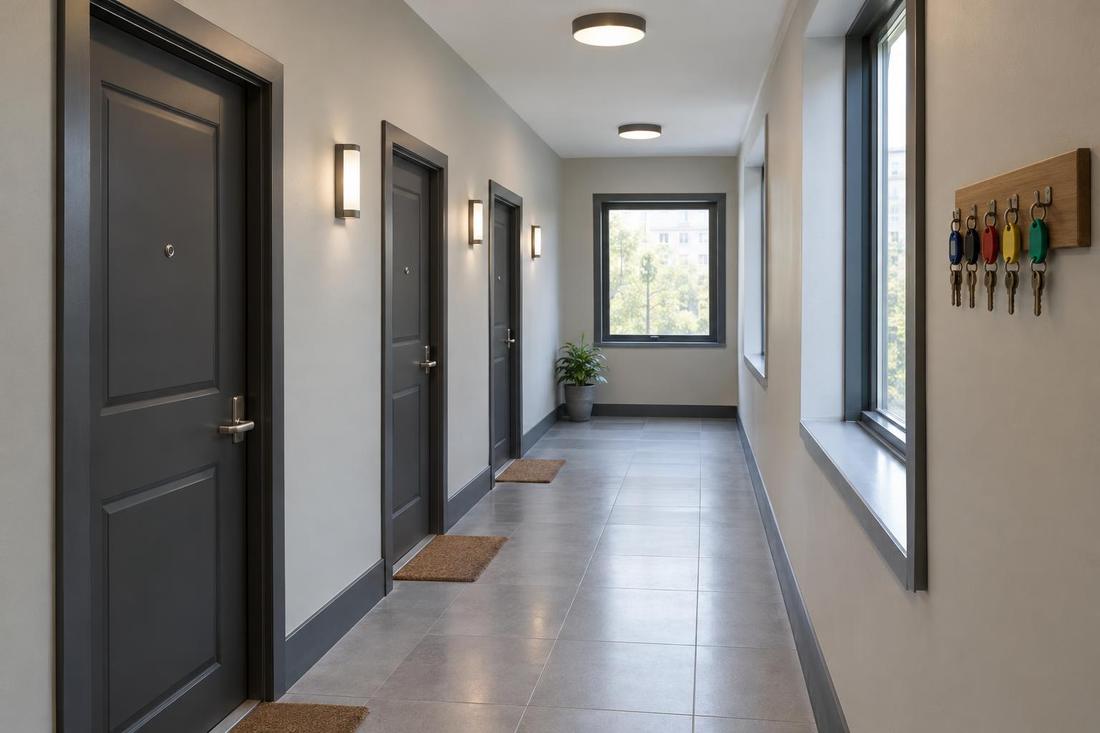
Keep a log of which units have which keys. Use restricted keys or a master key system if you have many doors. Store extra keys in a lockbox or a key cabinet and sign them in and out.
Good records reduce confusion.
Hardware choices
Choose quality locks that can be rekeyed easily, such as common deadbolts and levers from established makers. Consider keypad or smart locks for short-term rentals so you can change codes without handing out keys.
Match the lock to the use.
Lease and legal points
Your lease should say who may change locks and how copies are handled. Local rules govern lockouts and access. A locksmith will confirm authorization and cannot help with unlawful lockouts.
Ask an attorney if you are unsure.
Official sources and further reading
These are independent organizations. Links open in a new tab.
Quick answers
Can a tenant change the locks?
That depends on the lease and local law. Check before work starts.
Do smart locks help rentals?
Yes, for easy code changes, but they need good setup.